
Exercise and physiotherapy can play a vital role in improving quality of life for people with XLH. They can help to manage symptoms, build strength, and prevent complications. Here’s a guide to help you understand the benefits, safety tips, and ways to get started and get moving!
Exercise
Benefits of Exercise
- Improved Muscle and Bone Strength: Exercise helps to maintain and increase muscle and bone density, crucial for people with XLH who often face bone fragility.
- Enhanced Health and Wellbeing: Regular activity can boost mood, reduce pain, and promote a sense of well-being
- Prevention of Falls and Fractures: Tailored exercise programs can improve coordination and balance, helping to prevent injuries.
Safety First
Before starting any exercise plan, consult your healthcare professional. They can help you to create a safe, personalised program suited to your needs, considering your current mobility and any pain or fractures you may have experienced.
Many people with XLH may feel fatigue or face restricted mobility, making it harder to begin exercising. However, a physiotherapist or a specialised personal trainer can help design an exercise plan that is safe and effective for you.
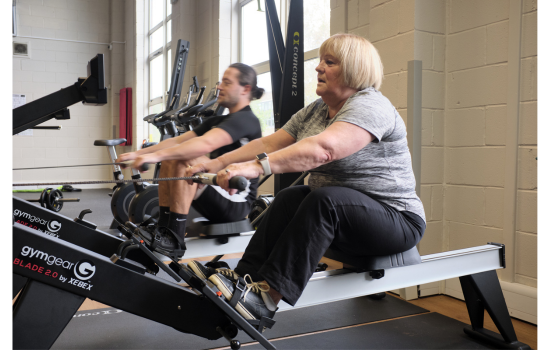
Features of a Good Exercise Plan
A good exercise plan for someone with XLH should balance safety with effectiveness. Below are some key components:
- Weight-bearing Exercises: These include activities like walking, stair climbing, and dancing. These exercises work against gravity and are crucial for maintaining bone density.
- Resistance Exercises: Using weights, resistance bands, or body weight, these exercises help build muscle strength, which supports your bones and joints.
- Balance and Coordination: Exercises like tai chi or yoga help to improve balance and reduce the risk of falls. These exercises can be particularly beneficial for people with lower limb weakness, which is common in XLH.
- Aerobic Exercises: Activities like cycling, swimming, and jogging improve cardiovascular health, endurance, and overall stamina.
Top Tips for Exercising with XLH
- Start Small: Begin with low-impact exercises like swimming or cycling, and gradually increase intensity as your strength improves.
- Avoid High-Impact Activities: Steer clear of jumping or contact sports that can put stress on your bones.
- Tailored Programs: Exercise regimens for XLH patients are often adapted from therapies for osteoarthritis, focusing on strengthening without putting excessive strain on bones or joints.
Physiotherapy
Physiotherapy is also an essential part of managing XLH. It helps to restore movement, build strength, and improve confidence. Here’s what to expect:
- Pain Management: Physiotherapy can help to reduce pain through manual therapy, guided exercises, and pain-relief strategies.
- Mobility Support: A physiotherapist can guide you in improving movement, whether you’re recovering from surgery, dealing with back or knee pain, or just trying to stay active.
- Education and Holistic Care: Physiotherapy offers more than exercises; it provides education on managing your condition day-to-day and advice on using mobility aids if needed.
Prehabilitation and Rehabilitation
While many are familiar with rehabilitation after injury or surgery, prehabilitation involves preparing the body before a procedure to improve recovery outcomes. It’s an emerging field that can help build strength and endurance before surgery, making the recovery process smoother.
The Biopsychosocial Approach to Pain
In addition to managing the physical symptoms of XLH, it’s important to consider the mental and social aspects of pain. Research shows that exercise not only improves physical health but can also benefit mental well-being by reducing anxiety and improving social connections through group activities or classes.
Starting Physiotherapy
What to Expect:
- First Session: Your first physiotherapy session may include a physical examination and a discussion about your goals. Be sure to let your physiotherapist know that you have XLH, as it requires specific knowledge of the condition.
- Homework: You will likely receive exercises to perform at home, which are essential for building strength and maintaining progress between sessions.
- Follow-up Sessions: Physiotherapy input may not continue long-term, so staying motivated and following through with home exercises is crucial.
How to Get Started
- Consult Your GP: They can refer you to a physiotherapist, ideally one with experience in musculoskeletal conditions or working with rare disorders like XLH.
- Look for Local Physiotherapy Services: Some areas offer group physiotherapy sessions, which can also benefit your social health by allowing you to meet others with similar conditions.
Staying Motivated
Once formal physiotherapy ends, it’s important to stay active. Here are some ways to keep going:
- Find Activities You Enjoy: Whether it’s swimming, trampolining, or yoga, choosing an activity you like will keep you motivated.
- Set Small, Achievable Goals: Start small and build your strength gradually.
- Track Your Progress: Keeping a journal or using apps to track improvements can be motivating.
- Incorporate Social Elements: Joining a group class or exercising with friends can make it more enjoyable and help you stick to your plan.
XLH and Exercise in Children
Children with XLH can also benefit from physiotherapy, especially when it comes to physical education. It’s essential to work with schools and healthcare providers to create safe, enjoyable activities that promote movement without overstressing their bones.